


-

Add: HeBei ShengShi HongBang Cellulose Technology CO.,LTD.
-

Email
13180486930@163.com -

CONTACT US
+86 13180486930

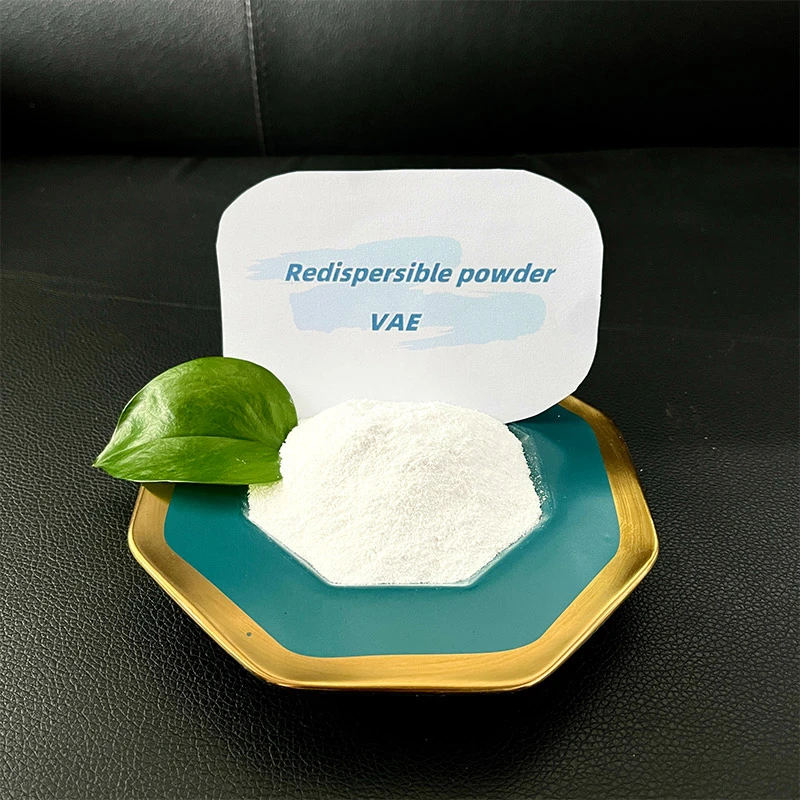
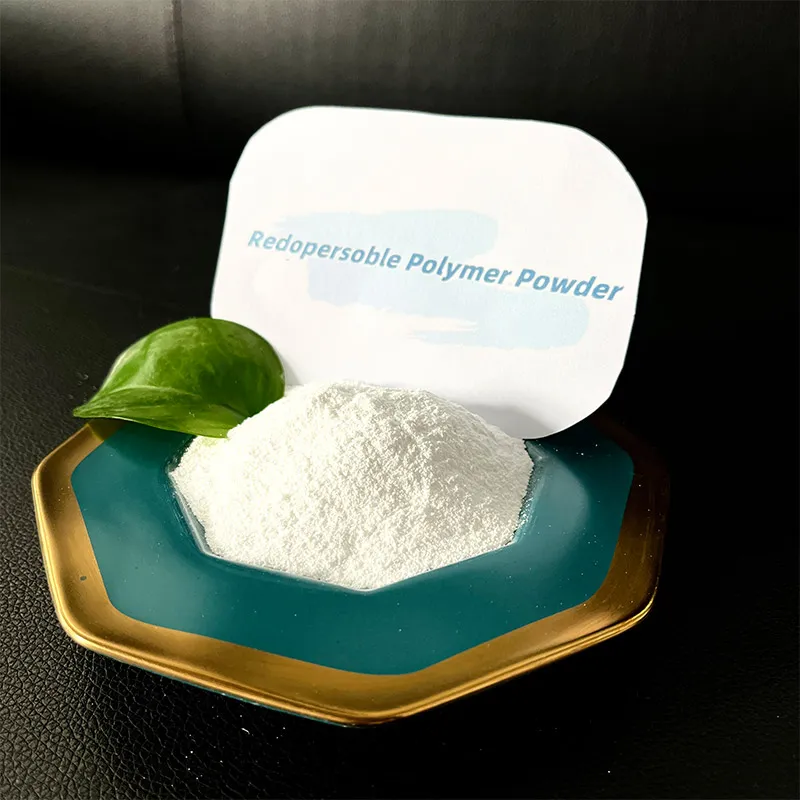


Polimer Un Taği Zamonaviy Texnologiyalar va Qishloq Xo‘jaligida Qo‘llanilishi Polimer un taği, zamonaviy materiallar muhitida muhim o‘rin tutadi. U polimerlarning mikroskopik qismlaridan tashkil topgan bo‘lib, ko‘plab sohalarda qo‘llaniladi, ayniqsa qishloq xo‘jaligida. Ushbu maqolada polimer un tağinin nimadan iboratligi, uning xususiyatlari va afzalliklari haqida so‘z yuritamiz. Polimer un taği, asosan, plastik materiallardan yaratiladi. Un taği sifatida qo‘llanilishidan maqsad, qishloq xo‘jaligida tuproqni yaxshilash, o‘simliklarni himoya qilish va yig‘im-terim jarayonlarini soddalashtirishdir. Bu materiallar nafaqat o‘simliklar uchun ozuqa manbai bo‘lib xizmat qiladi, balki tuproqning fizik va kimyoviy xususiyatlarini ham yaxshilaydi. . Bundan tashqari, polimer un taği tuproqni mahkamlaydi va uning strukturaviy yaxlitligini ta’minlaydi. Bu, o‘simliklarning ildiz tizimining yanada yaxshi rivojlanishiga yordam beradi. Tuproqning tuzilishi yaxshi bera olishi va havo almashinuvi yaxshi bo‘lishi natijasida, o‘simliklar sog‘lom va kuchli bo‘lib o‘sadi. полимер ұнтағы Polimer un taği, shuningdek, tuproqning kimyoviy xususiyatlarini yaxshilashda ham muhim rol o‘ynaydi. U tuproqdagi minerallarni va boshqa oziq moddalarni eng qiyin sharoitlarda ham saqlab qolish imkonini beradi. Natijada, o‘simliklar uchun zarur bo‘lgan ozuqa moddalarining samarali singishi ta’minlanadi. Qishloq xo‘jaligi sohasida polimer un tağini qo‘llash nafaqat o‘simliklarning samarali o‘sishini ta’minlaydi, balki bu jarayonni iqtisodiy jihatdan ham foydali qiladi. O‘simliklar yuqori hosil berishiga olib kelishi, fermerlar uchun moliyaviy jihatdan foydali bo‘ladi. Shuningdek, bu usul qishloq xo‘jaligida resurslarni tejashga yordam beradi, chunki suv va yeyish quvvatlari ancha samarali ishlatiladi. Shuni ta’kidlash kerakki, polimer un tağinin iste'moli va ishlatilishi ekologik jihatdan ham xavfsizdir. Tobora ko‘proq fermerlar va agronomlar bu materialni tanlaydilar, chunki u tuproqning ekotizimini buzmaydi va tabiatga zarar yetkazmaydi. Demak, polimer un taği nafaqat odamlar uchun, balki atrof-muhit uchun ham foydali materialdir. Xulosa qilib aytganda, polimer un taği zamonaviy qishloq xo‘jaligida juda muhim va foydali materialdir. Uning suvni ushlab turish, tuproqni yaxshilash va o‘simliklar hosilini oshirishdagi o‘rni har bir fermer va agronom uchun ahamiyatlidir. Polimer un tağini qo‘llash orqali qishloq xo‘jaligida samaradorlikni oshirish, istiqbolli kelajakni yaratish mumkin.
- 40000tons

Production
- 20+years

Experience
- 5000+㎡

Acreage

-
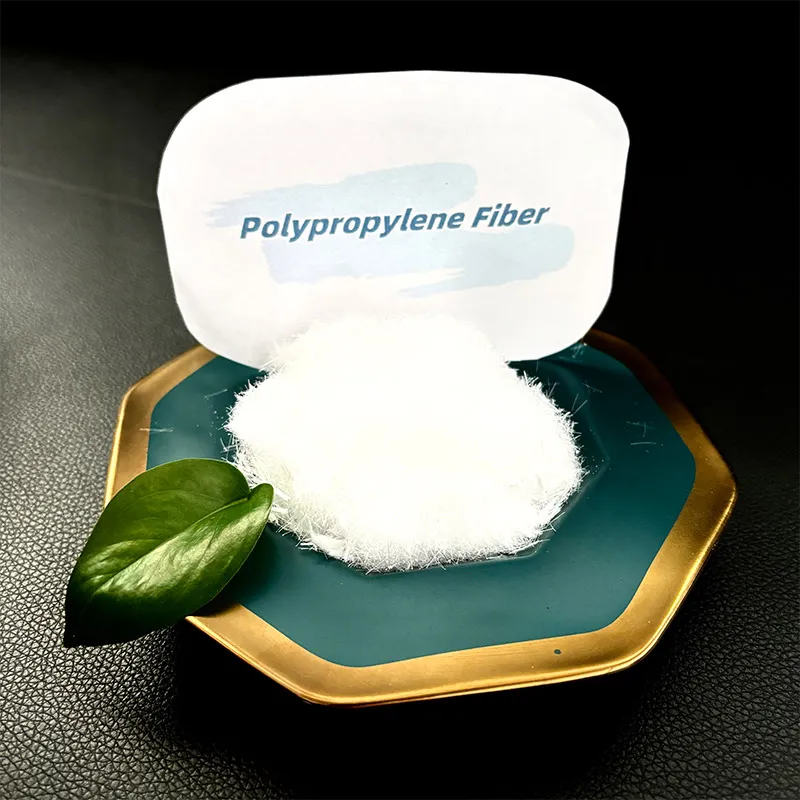
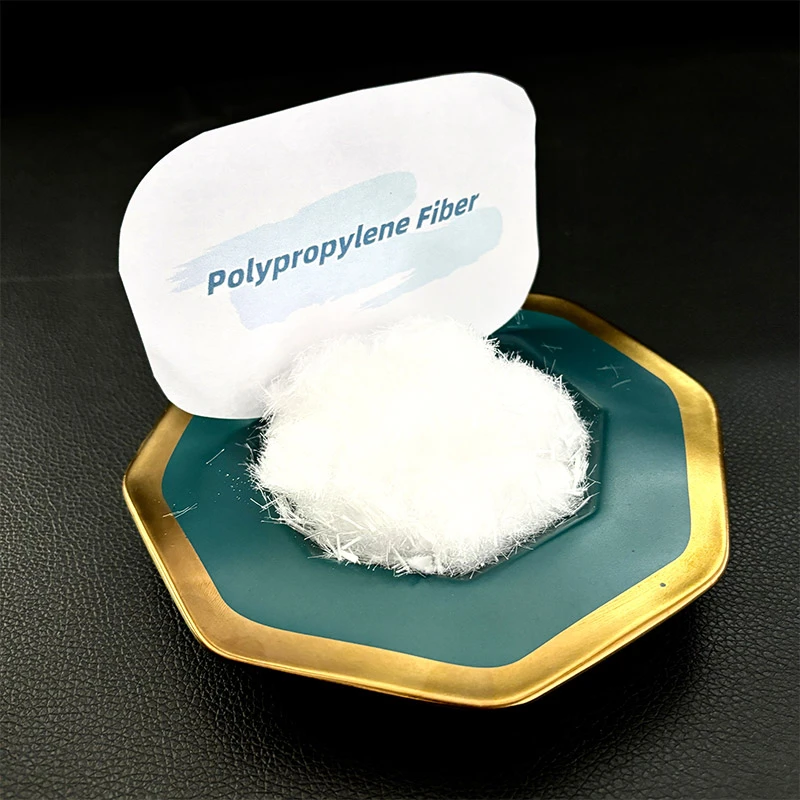
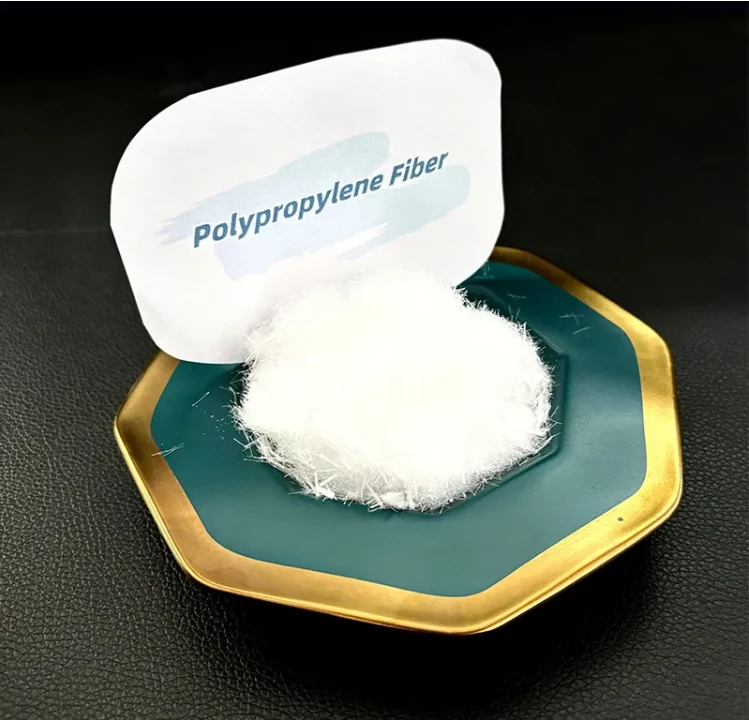
Understanding Confix PP Fiber A Breakthrough in Material Science In the quest for advanced materials that can cater to a myriad of applications, Confix PP fiber has emerged as a significant player in the industry. This innovative product is synonymous with strength, versatility, and sustainability, making it an appealing choice for manufacturers and consumers alike. In this article, we will explore what Confix PP fiber is, its properties, applications, and advantages, shedding light on why it stands out in the competitive landscape of synthetic fibers. What is Confix PP Fiber? Confix PP fiber is a specialized polypropylene fiber that has been engineered for enhanced performance in various applications. Polypropylene, a thermoplastic polymer, is known for its lightweight, chemical resistance, and thermal stability. The Confix designation typically signifies that this particular fiber has been treated or designed to provide additional benefits, such as improved tensile strength, durability, and resistance to moisture, making it suitable for a broader range of uses. One of the main advantages of polypropylene as a base material is its high resistance to wear and tear, along with its non-toxic and recyclable nature. Confix PP fibers capitalize on these inherent qualities while also introducing innovations that optimize functionality and adaptability across industries. Key Properties of Confix PP Fiber The qualities that define Confix PP fibers are pivotal to their widespread adoption. Here are some key properties 1. Durability Confix PP fibers are designed to withstand harsh conditions. This durability reduces the frequency of replacements, a crucial factor for industries seeking long-term solutions. 2. Water Resistance Unlike many natural fibers, polypropylene does not absorb water, making Confix PP fibers ideal for applications in humid conditions or areas prone to moisture. 3. Lightweight The low density of polypropylene makes Confix fibers exceptionally light, which benefits transport and handling, particularly in industries such as textiles, automotive, and construction. 4. Chemical Resistance Confix PP fibers exhibit excellent resistance to a wide range of chemicals, including acids and alkalis, making them suitable for diverse applications, including those in chemical processing. 5. Versatility These fibers can be manufactured in various forms, including filaments and non-woven fabrics, allowing for extensive applicability in different sectors such as apparel, home textiles, and industrial applications. Applications of Confix PP Fiber confix pp fiber The versatility of Confix PP fibers allows them to be utilized in numerous applications. Some notable uses include - Textiles Confix PP fibers are used in the production of clothing, carpets, and upholstery fabrics. Their durability and stain resistance make them ideal for both casual wear and high-performance environments. - Automotive Industry These fibers are increasingly used in the automotive sector, where lightweight materials can lead to improved fuel efficiency. Confix PP fibers are employed in car interiors, insulation, and even body panels. - Construction In construction, Confix PP fibers can reinforce concrete and other materials, enhancing their strength and durability. They are also used in geotextiles for soil stabilization and erosion control. - Geosynthetics The fiber's resistance to moisture and erosion makes it suitable for environmental applications such as drainage systems, landfill liners, and soil containment. Advantages of Using Confix PP Fiber The advantages of Confix PP fiber are multifaceted - Cost-Effectiveness Although the initial investment in advanced fibers may be higher than traditional materials, their longevity and performance can lead to lower overall costs in the long run. - Sustainability As industries shift towards more sustainable practices, Confix PP fibers align with eco-friendly initiatives. They are recyclable, reducing environmental impact. - Innovation The ongoing research and development in fiber technology enhance the performance of Confix PP fibers, ensuring they remain at the forefront of material science. Conclusion In conclusion, Confix PP fiber represents a significant advancement in the field of synthetic materials. Its properties of durability, versatility, and sustainability make it a vital choice for various applications across multiple industries. As demand for high-performance, environmentally responsible materials continues to rise, Confix PP fibers are poised to play an essential role in shaping the future of manufacturing and construction. Understanding and leveraging the capabilities of Confix PP fiber can lead to innovative solutions that meet the challenges of tomorrow.
-
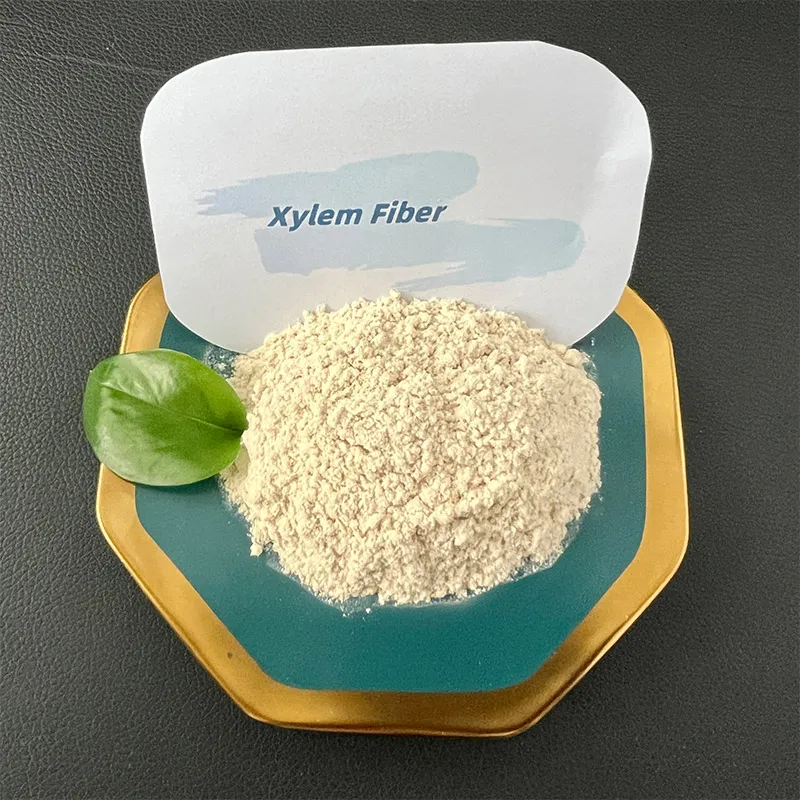
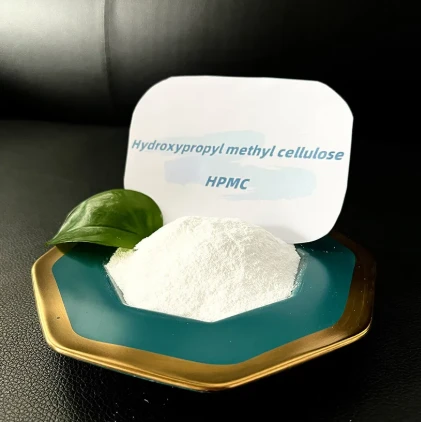
Hydroxypropyl methylcellulose (HPMC) is a multi-functional polymer that garners extensive attention across various industries due to its impressive solubility characteristics in water and a wide array of applications. As an industry veteran with years of firsthand experience, I have witnessed how the solubility of HPMC in water significantly enhances product performance, making it a go-to choice for formulators. To understand HPMC's solubility in water, it is crucial to first delve into its chemical structure. HPMC is a non-ionic cellulose ether derived from alkali cellulose through a reaction with methyl chloride and propylene oxide. This distinctive structure is pivotal to its solubility. When HPMC is dispersed in cold water, it hydrates and swells rapidly, forming clear solutions or gels depending on the temperature and concentration. Its solubility in cold water renders it highly versatile, allowing it to be utilized in various dosages and applications. One factor that influences HPMC’s solubility is the degree of substitution (DS) and the molar substitution (MS). A higher degree of substitution results in more hydrophobic methoxy and hydroxypropyl groups on the cellulose backbone, enhancing its water solubility. Industrial applications leverage this property by selecting HPMC grades with optimal DS and MS to tailor performance for specific requirements. For instance, in the pharmaceutical domain, this characteristic is essential for controlled drug delivery systems, where HPMC acts as a rate-controlling agent. Temperature plays a significant role in the solubility dynamics of HPMC. Known for its reversible thermal gelation properties, HPMC will dissolve in cold water but can precipitate out of solution when exposed to rising temperatures, exhibiting gel formation. This unique property is expertly harnessed in construction applications, where HPMC is utilized to improve the water retention and workability of cement-based materials. Mastery of this thermoreversible behavior allows product developers to fine-tune formulations for enhanced efficiency and performance reliability. hpmc solubility in water My professional involvement with HPMC spans a broad spectrum of industries. In personal care products, its water solubility is an asset in formulating non-sticky lotions and creams that offer consistent viscosity over a range of temperatures. In the food industry, as a thickener or stabilizer, HPMC promises uniformity and stability, maintaining product integrity under varying storage conditions. The transparency and viscosity of HPMC solutions make them ideal for eye drops and other ophthalmic preparations, where clarity and uniform distribution of active ingredients are paramount. Despite its advantages, HPMC’s solubility in water poses challenges . For instance, incorrect dispersion can lead to clumping, which compromises the efficiency and clarity of solutions. Through my experience, I recommend the gradual addition of HPMC to the vortex of a well-stirred cold water solution to prevent lump formation. This method ensures even hydration and dissolution, maximizing the functional benefits of HPMC for the intended application. Regulatory compliance and product consistency are of utmost importance in any formulation involving HPMC. Adherence to standards set by bodies such as the U.S. Pharmacopeia (USP) fortifies the trustworthiness of HPMC-based products, providing assurance that they meet safety and efficacy benchmarks essential for consumer confidence. In conclusion, the solubility of HPMC in water is a defining feature that enhances its application potential across industries. By leveraging its unique properties, formulators can innovate and produce high-performance products with the reliability and efficacy that modern consumers demand. By sharing my expertise and insights, I aim to empower industry professionals to make informed decisions that capitalize on HPMC’s immense capabilities.
advantages
-

200000 Viscosities
Excellent product
We can produce pure products up to 200,000 viscosities
-

40000 tons
High yield
We don’t stop production all year round, and the annual output can reach 40,000 tons
-

24 hours
Quality service
We provide 24-hours online reception service, welcome to consult at any time
———— Inquiry Form
Schedule A services
-
 hydroxymethyl_ethyl_cellulose
Oct . 25, 2025
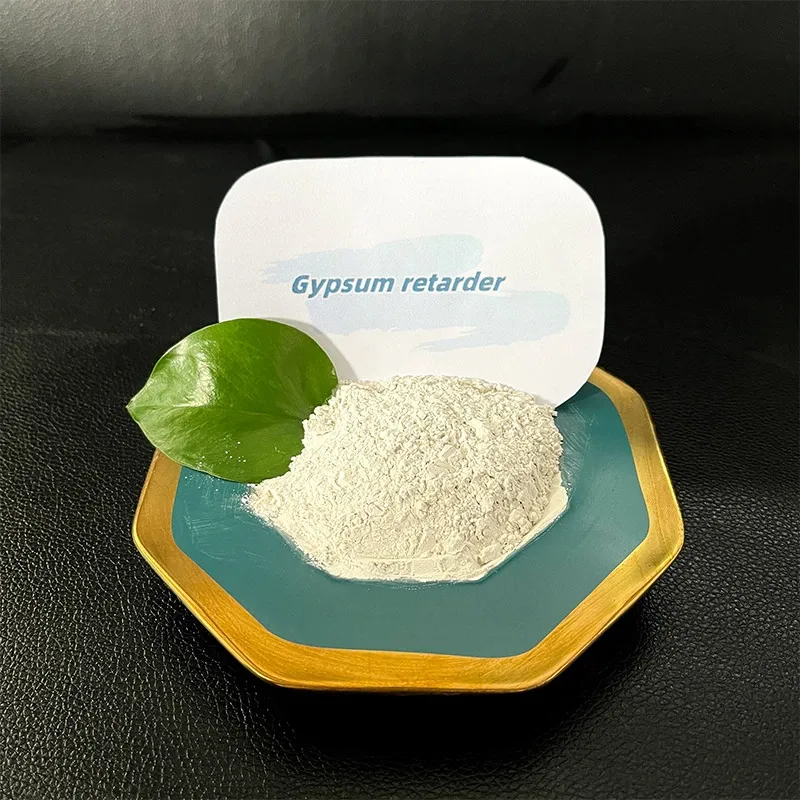
In the demanding world of construction finishes, controlling time is paramount. A plaster retarder s -
 harga_metil_hidroksietil_selulosa
Oct . 25, 2025
In the realm of pharmaceuticals, HPMC stands for Hydroxypropyl Methylcellulose, a compound indispens -
 hpmc_eye_drops_uses
Oct . 25, 2025
6-Hydroxyethyl starch (6-HES) is a potent and invaluable tool in the medical field , particularly in


